
 Brickit isn’t marketed as AR but it elegantly brings digital augmentation to physical objects. It applies computer vision to and ML to tell you what you can build with a given assortment of lego blocks. Could this portend AR’s next era?
The post Redefining AR: Brickit Thinks Outside the Blocks appeared first on AR Insider.

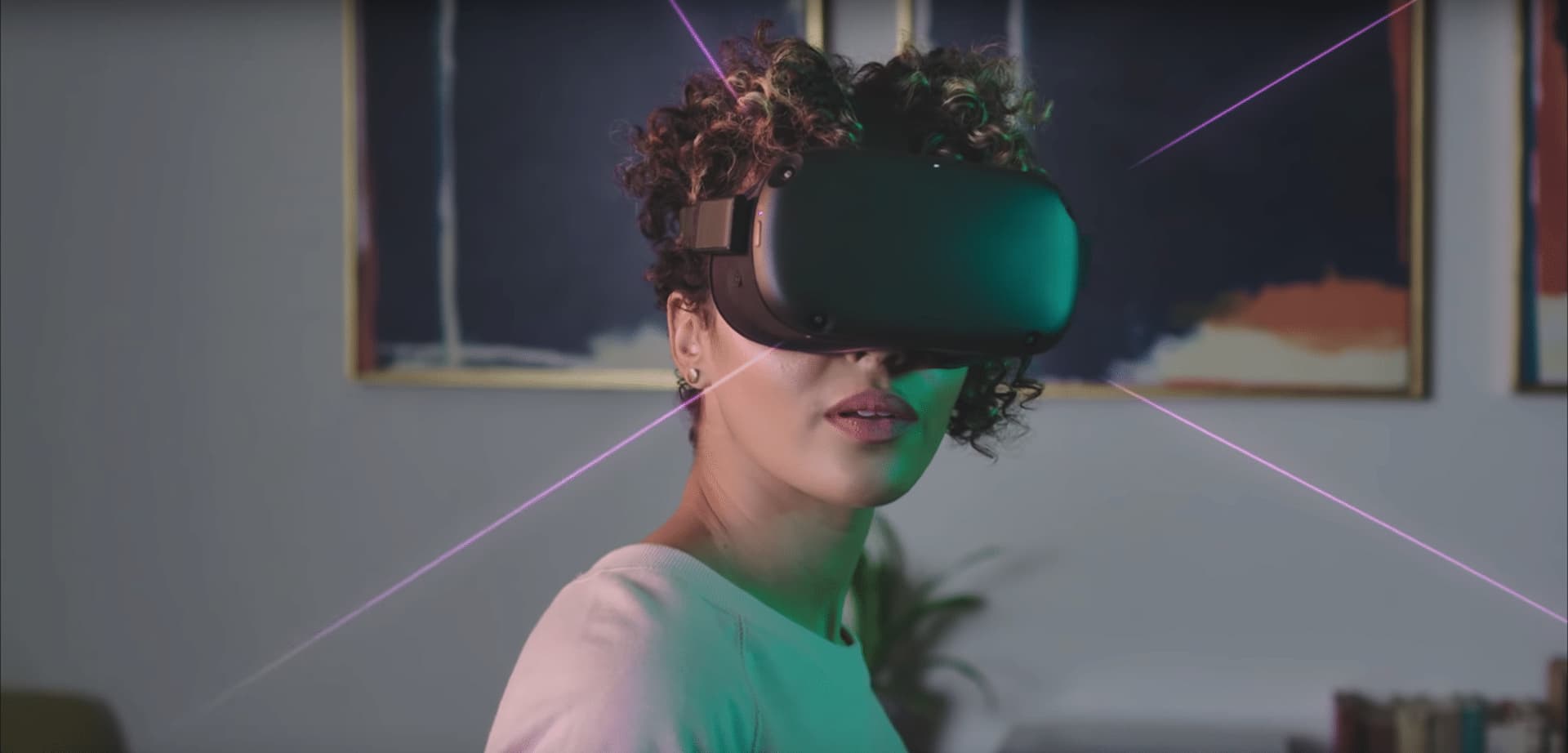 One of VR’s prospective revenue streams is ad placement. The thought is that its levels of immersion can engender deeper ad engagement. But is usage to the point of getting Madison Avenue excited? We crunch the numbers.

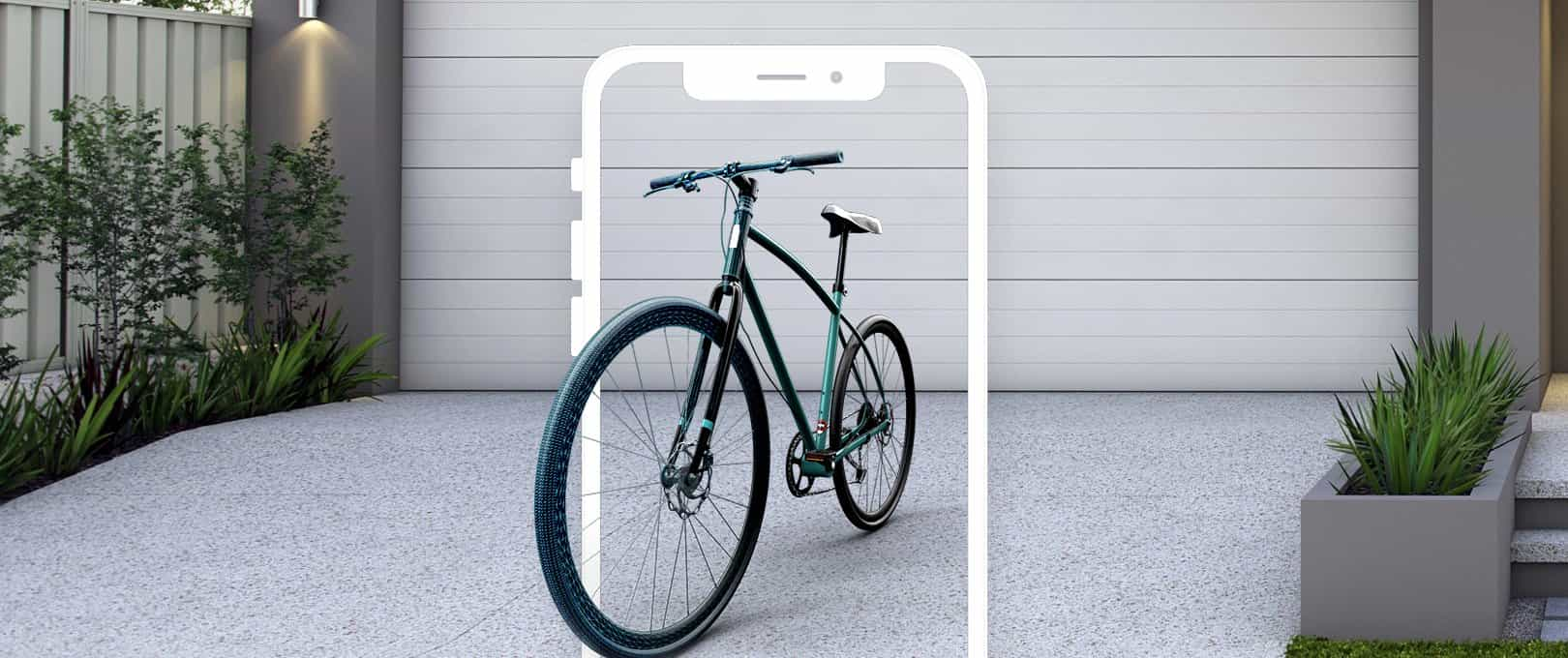 Shopify’s latest move in camera commerce is the acquisition of AR startup Primer. This helps it go deeper in AR product visualization and wider into the home decor vertical. We examine strategic drivers and dynamics.

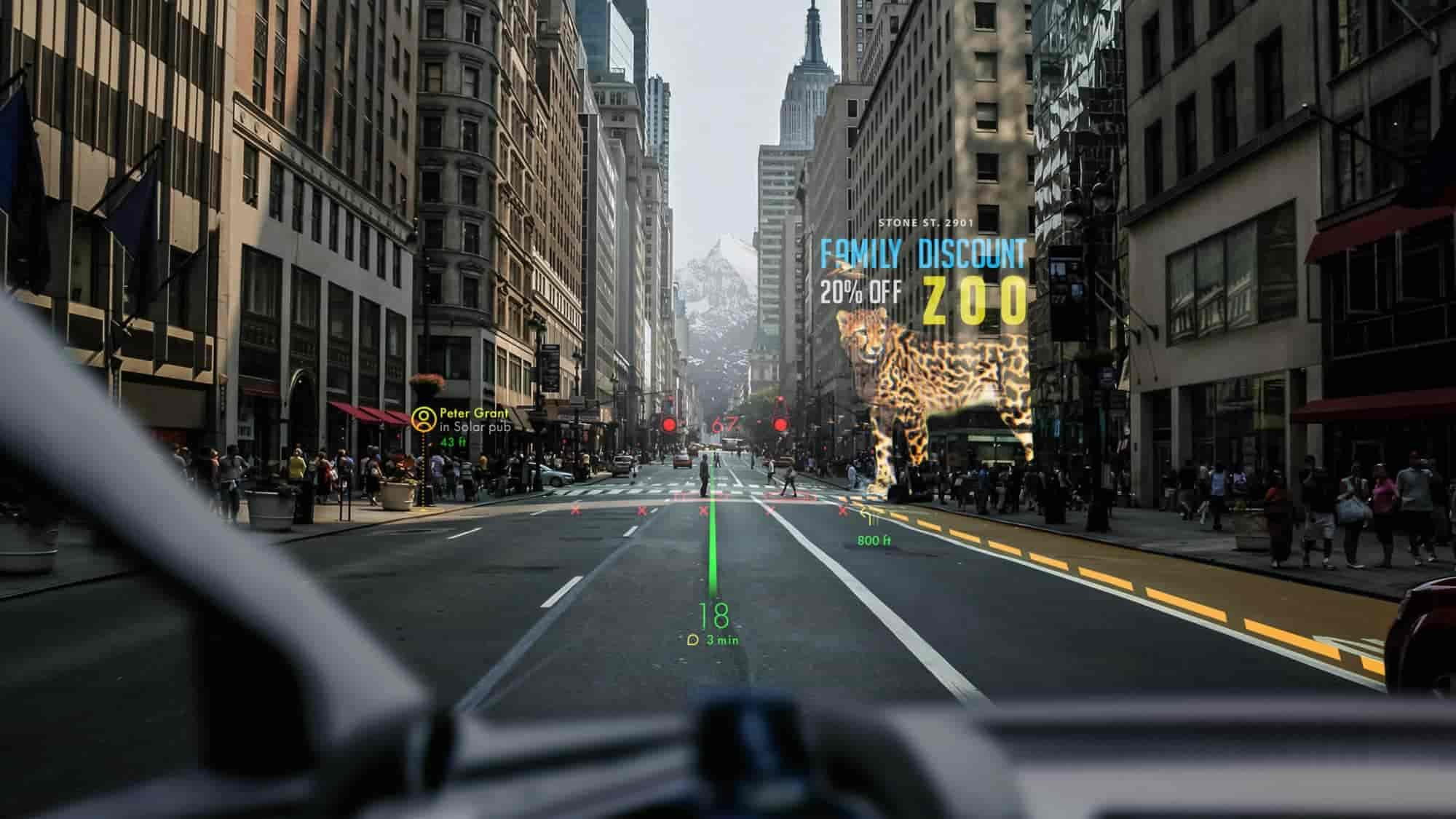 What’s the timeline for ubiquity in AR’s fully-actualized form? By that, we mean all-day AR glasses with stylistic viability and wearability. We’ve assembled quotes from tech leaders that signal the 2030’s as AR’s decade.
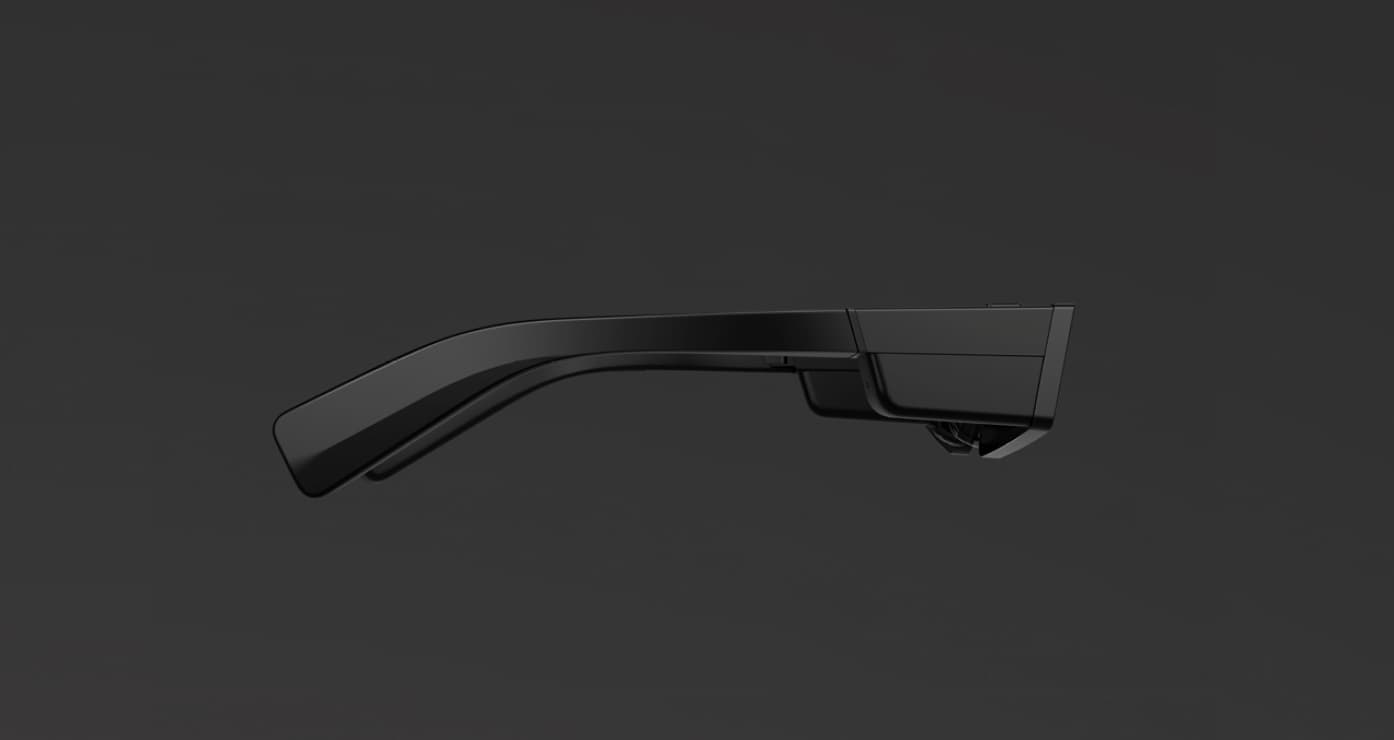 Snap today unveiled developer-facing AR glasses. As the next generation of its Spectacle camera glasses, the hardware features optical and display systems for the first time. That’s right, Spectacles are now true AR glasses.

 Niantic’s Lightship is part rebrand of the Real World Platform and part functional transition to an SDK (or ARDK). As such, it will be made available to developers on a broader scale. Moreover, it seals Niantic’s longstanding fate as an AR platform.