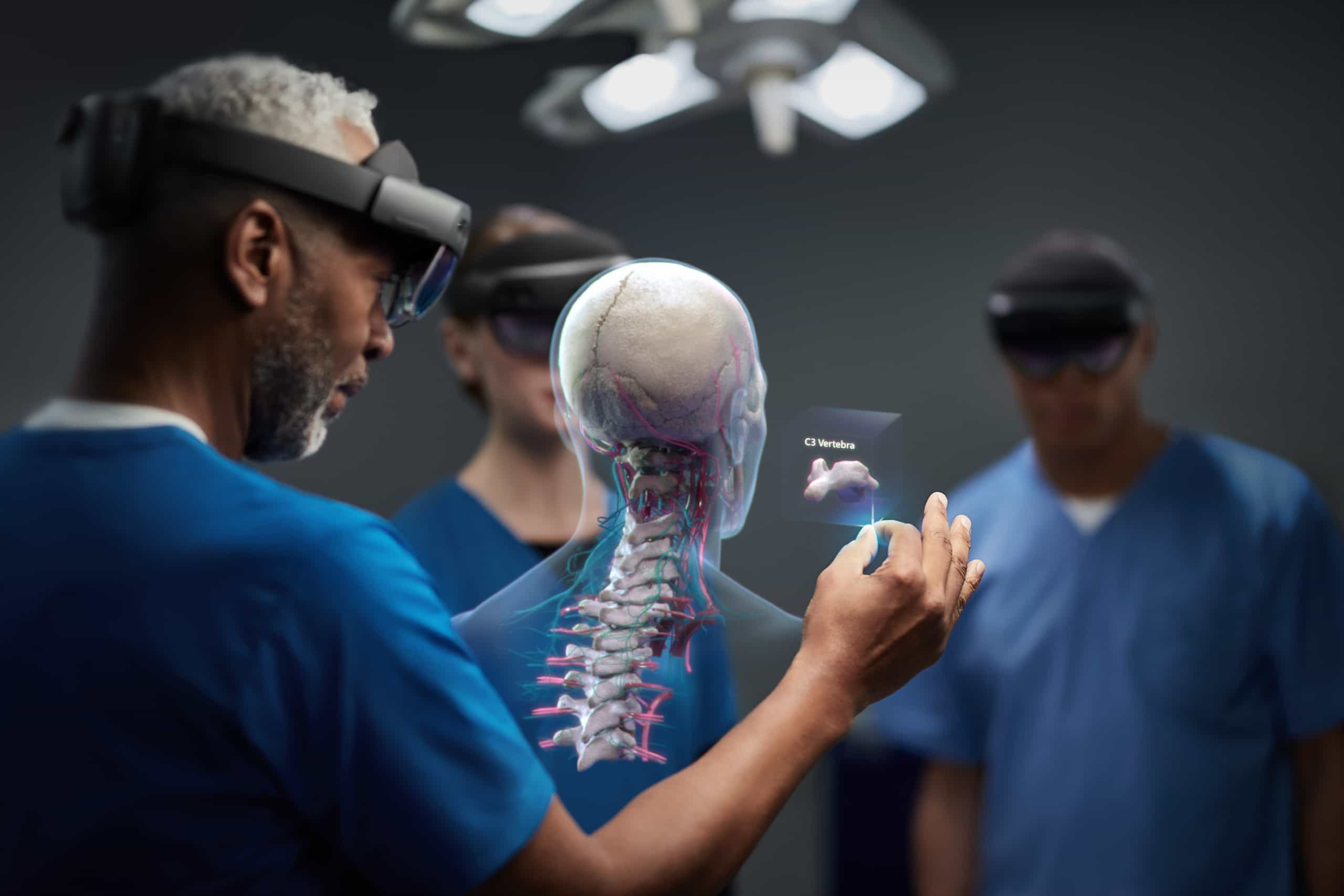
 One area where AR is proving valuable is healthcare. In fact, medical device maker Medtronic saved $33K per training with AR. We examine the tactics and takeaways in our latest case study.
The post Case Study: Medtronic Lessens Training Costs with AR appeared first on AR Insider.

 AR continues to show broad applicability to industries where it can breed operational efficiency through line-of-sight support. Our latest case study looks at telecom, where KPN achieved bottom-line results from its latest AR deployment.
 The automotive production process is long and complex. This creates openings for AR to streamline everything from engineering to assembly. We examine Toyota’s efforts in the latest report excerpt.
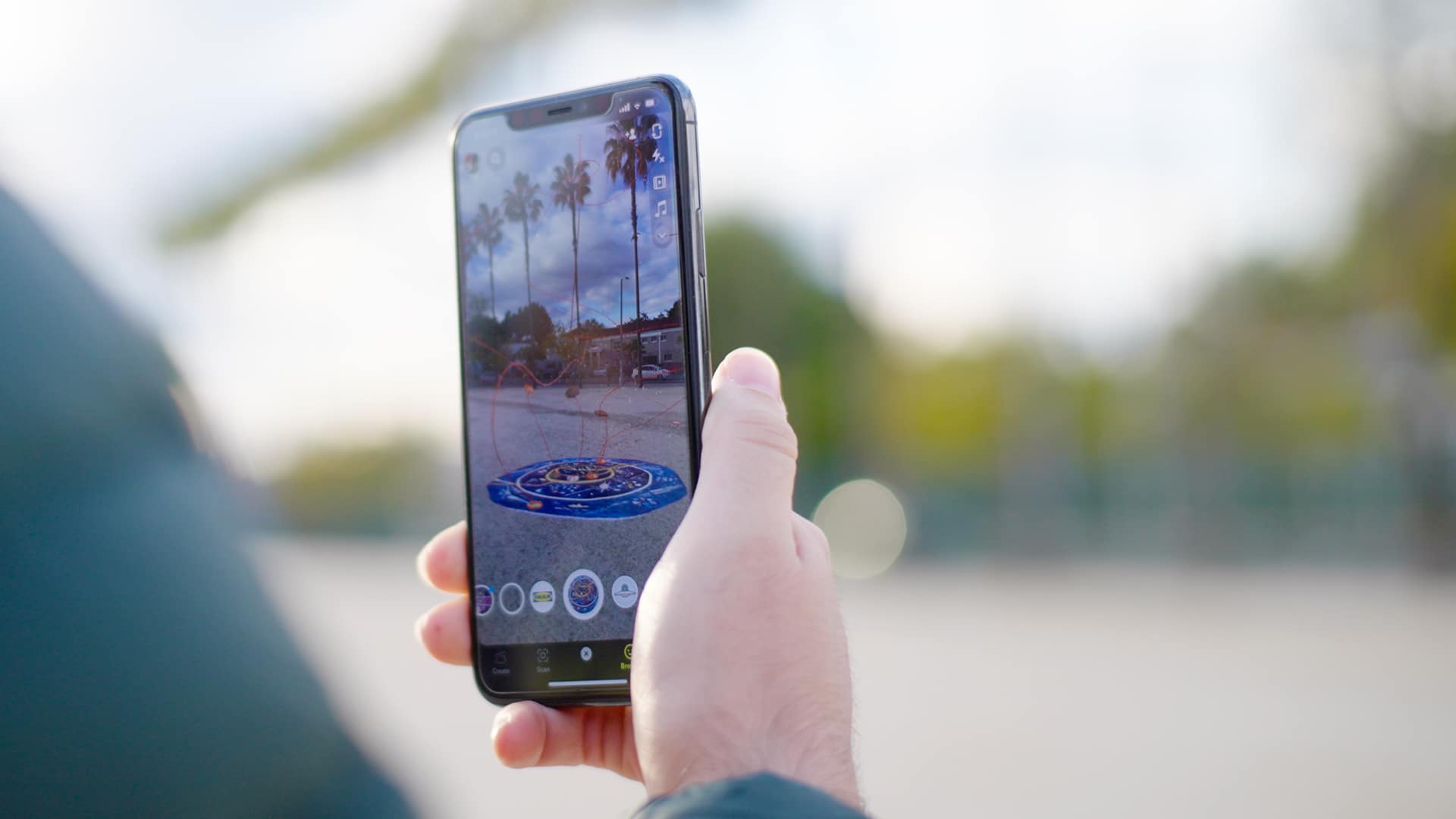 How many devices are AR-compatible? How many of those represent active AR users? And how does that lay the foundation for AR revenue growth? Our latest Behind the Numbers installment dives in.
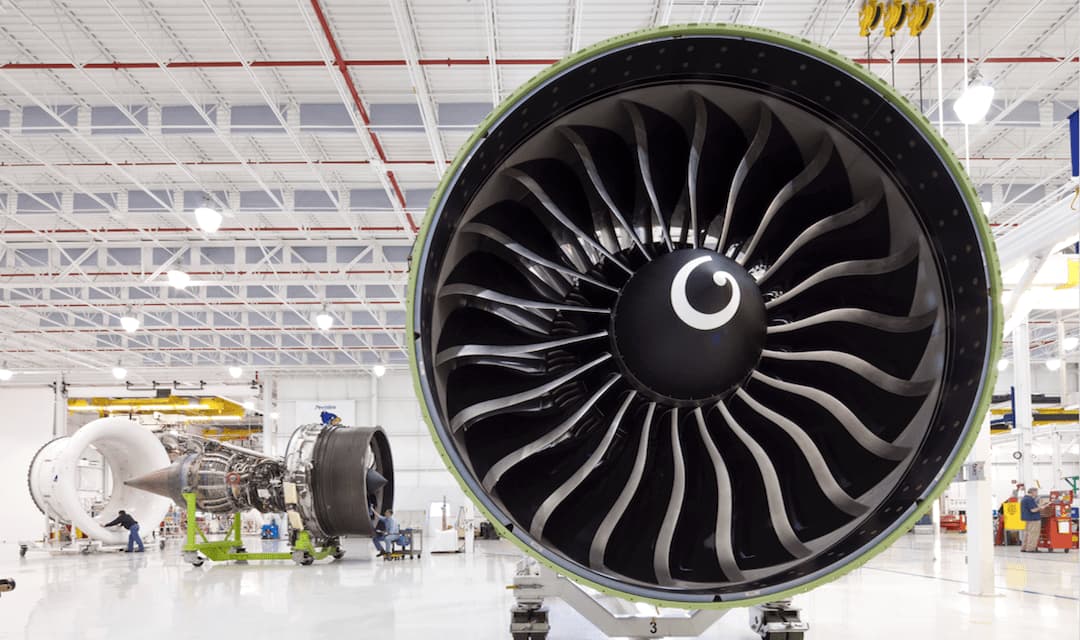 Mistakes can be costly when building aircraft engines. GE Aviation deployed an AR-based assembly process and saw real efficiency gains. We examine the results and takeaways in our latest case study.
 Does ‚wearability‘ represent AR glasses’ V1 design target, which evolves over time towards advanced AR functionality? That’s opposed to starting with advanced AR then sizing-down towards wearability. We examine strategic drivers in the latest report excerpt.
 After covering the „why“ of Apple’s AR glasses last week, the next question is „what?“ What will „Apple Glass“ look like, and what will be its primary features? We examine the evidence in this week’s report excerpt.
 Though AR enjoys mobile’s sheer reach, smartphones aren’t the technology’s optimal vessel. How long will it take to reach AR’s fully-actualized form factor in smart glasses? We examine in the latest report excerpt.