
 Though apps rule smartphone usage, could the browser be a better vessel for mobile AR experiences? It scales better and offers less friction than apps, to name a few advantages. We crunch the numbers in the latest report excerpt.
The post Web AR: By the Numbers appeared first on AR Insider.

 Will consumers spend 90 seconds downloading an app for an experience that lasts 30 seconds? This question raises the benefits of Web AR. What are its dynamics and best practices? We examine in the latest report excerpt.
 One foundational concept in enterprise AR is digital twins. Activities such as product design, testing and monitoring can happen in simulated environments, thus boosting cost efficiency and safety. We examine in the latest case study.
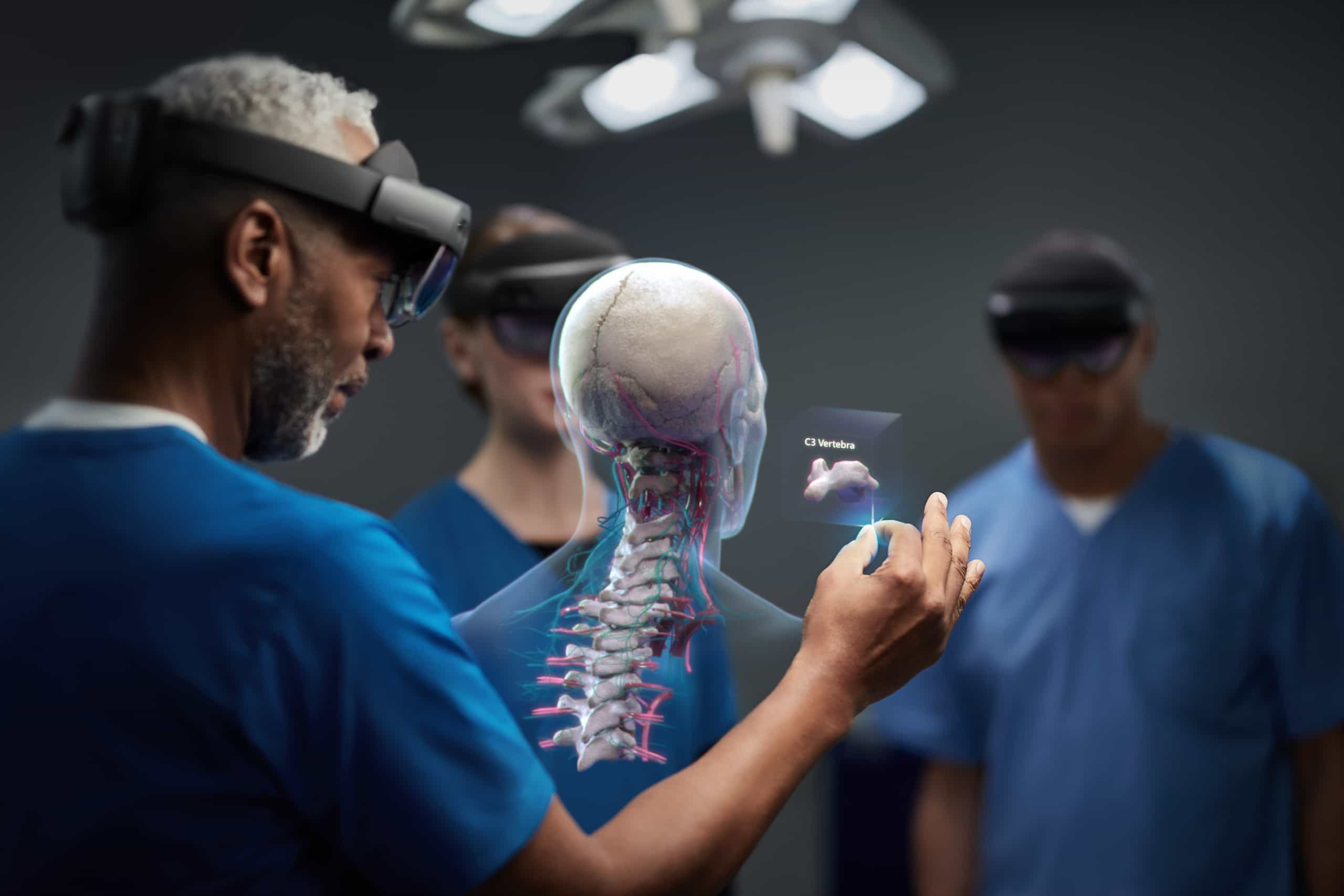 One area where AR is proving valuable is healthcare. In fact, medical device maker Medtronic saved $33K per training with AR. We examine the tactics and takeaways in our latest case study.
 AR continues to show broad applicability to industries where it can breed operational efficiency through line-of-sight support. Our latest case study looks at telecom, where KPN achieved bottom-line results from its latest AR deployment.
 The automotive production process is long and complex. This creates openings for AR to streamline everything from engineering to assembly. We examine Toyota’s efforts in the latest report excerpt.
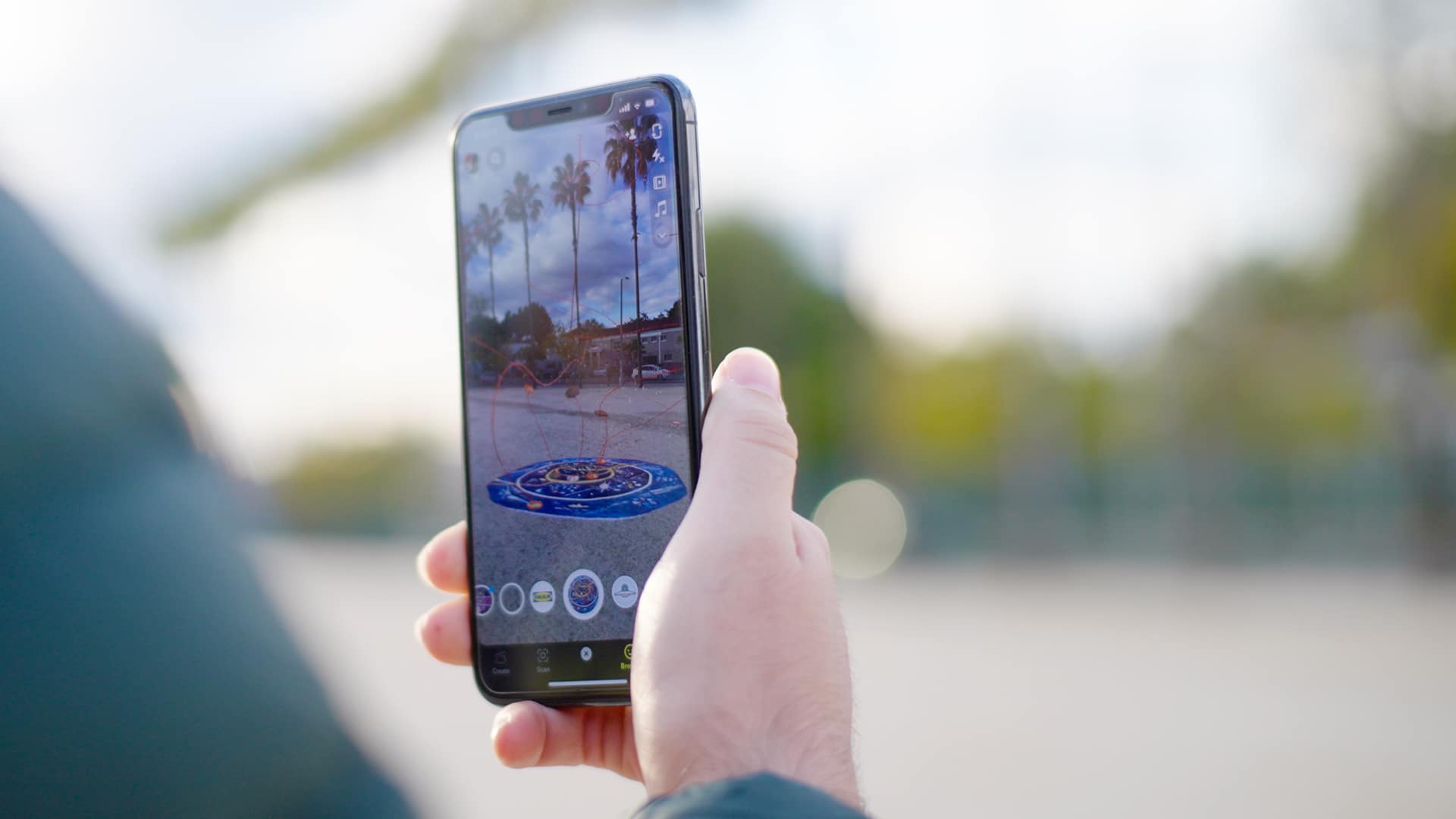 How many devices are AR-compatible? How many of those represent active AR users? And how does that lay the foundation for AR revenue growth? Our latest Behind the Numbers installment dives in.
 Mistakes can be costly when building aircraft engines. GE Aviation deployed an AR-based assembly process and saw real efficiency gains. We examine the results and takeaways in our latest case study.
 Does ‚wearability‘ represent AR glasses’ V1 design target, which evolves over time towards advanced AR functionality? That’s opposed to starting with advanced AR then sizing-down towards wearability. We examine strategic drivers in the latest report excerpt.