
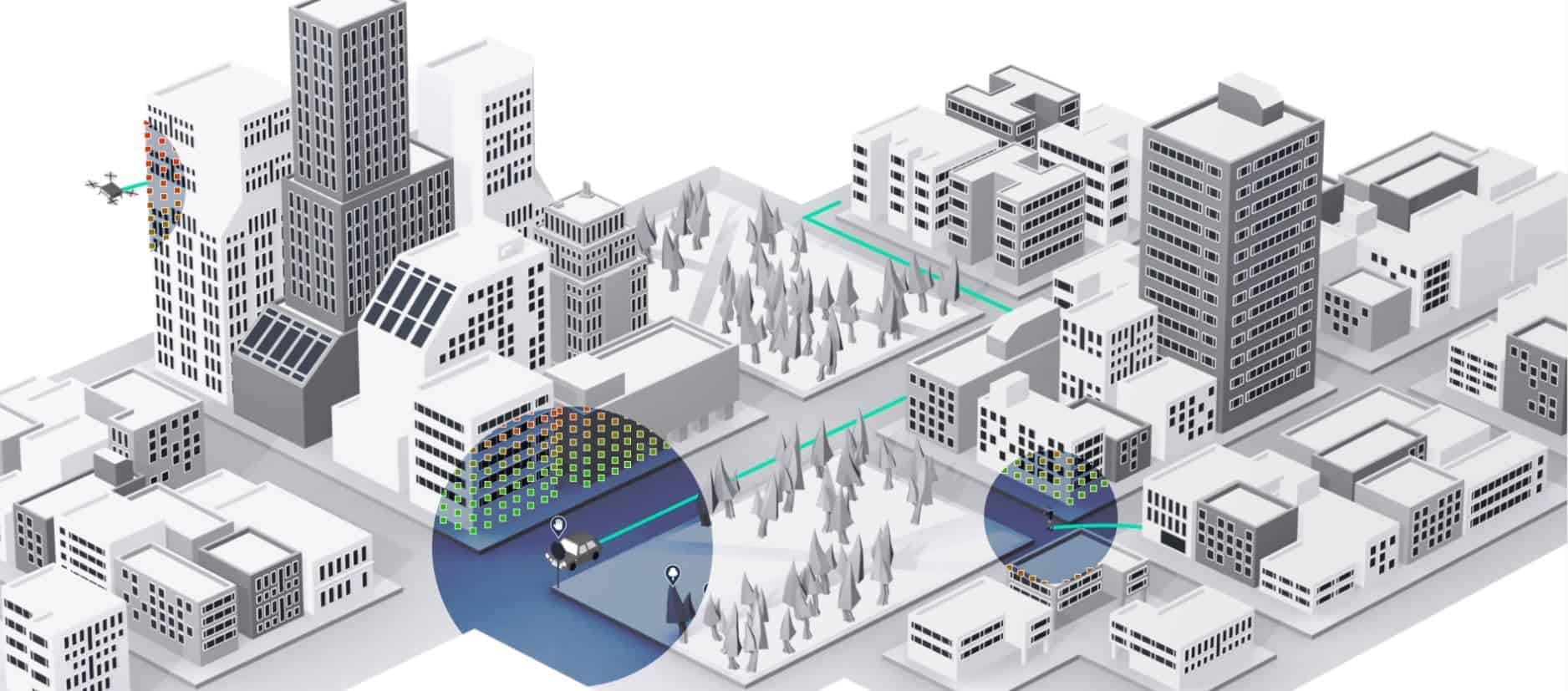
 How will geospatial AR materialize? What are its active ingredients, including 5G and the AR cloud? This is the theme of our new series, Space Race, where we’ll break down who’s doing what, continuing here with a focus on startups.
The post The AR Space Race, Part VIII: Startups appeared first on AR Insider.

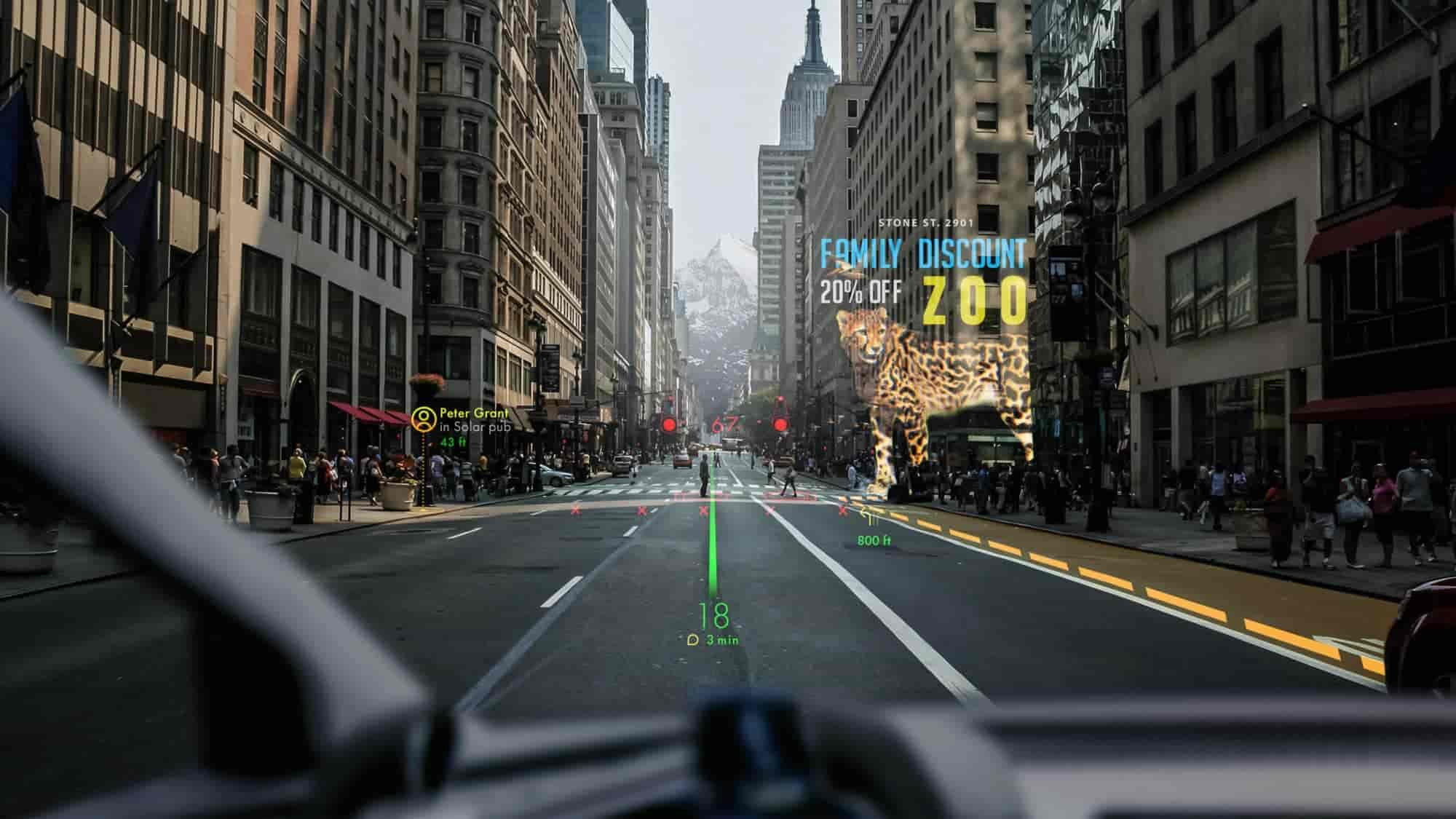 What’s the timeline for ubiquity in AR’s fully-actualized form? By that, we mean all-day AR glasses with stylistic viability and wearability. We’ve assembled quotes from tech leaders that signal the 2030’s as AR’s decade.
 After covering the „why“ of Apple’s AR glasses last week, the next question is „what?“ What will „Apple Glass“ look like, and what will be its primary features? We examine the evidence in this week’s report excerpt.
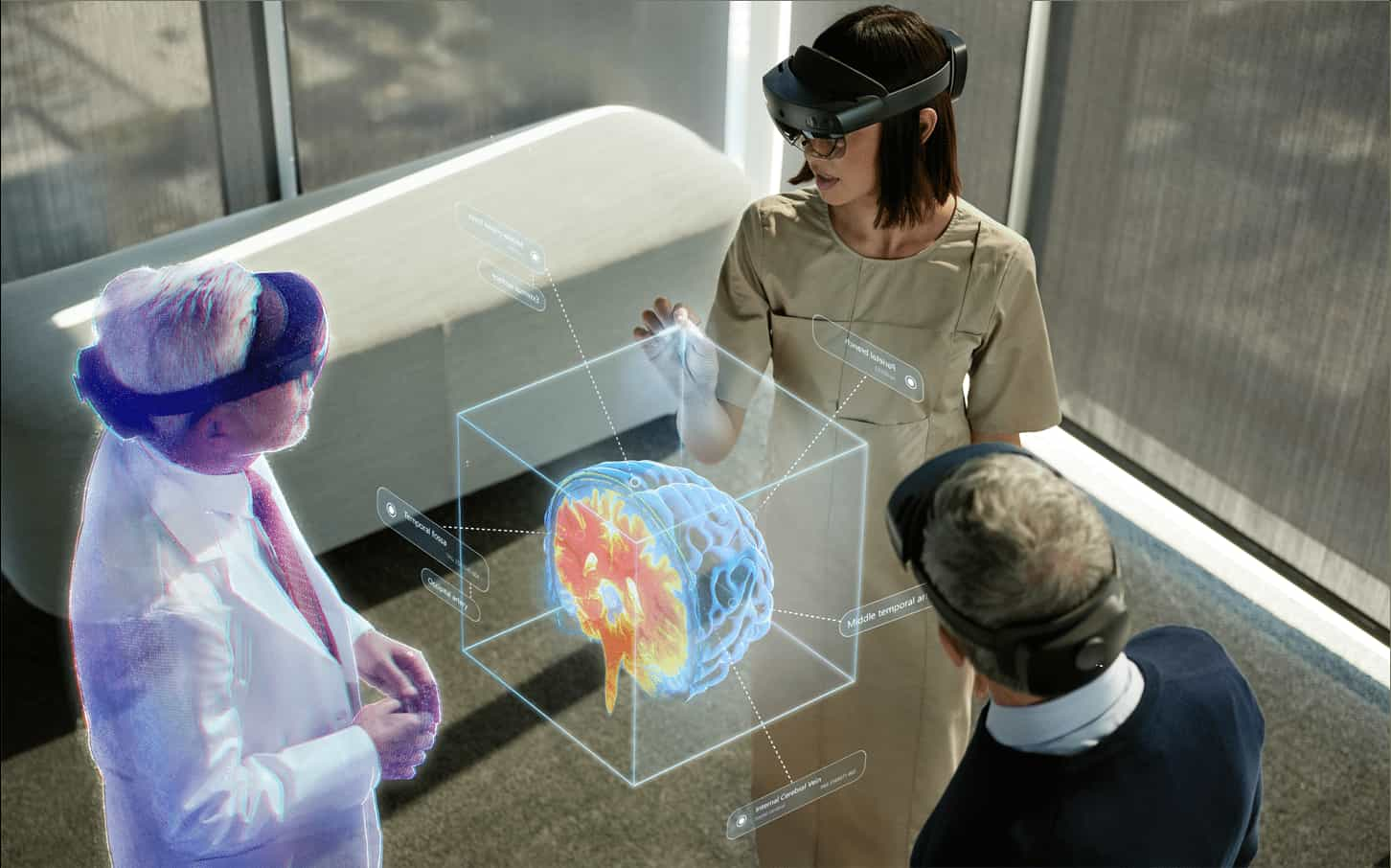 How will geospatial AR materialize? What are its active ingredients, including 5G and the AR cloud? This is the theme of our new series, Space Race, where we break down who’s doing what…continuing here in Part VII with Microsoft.
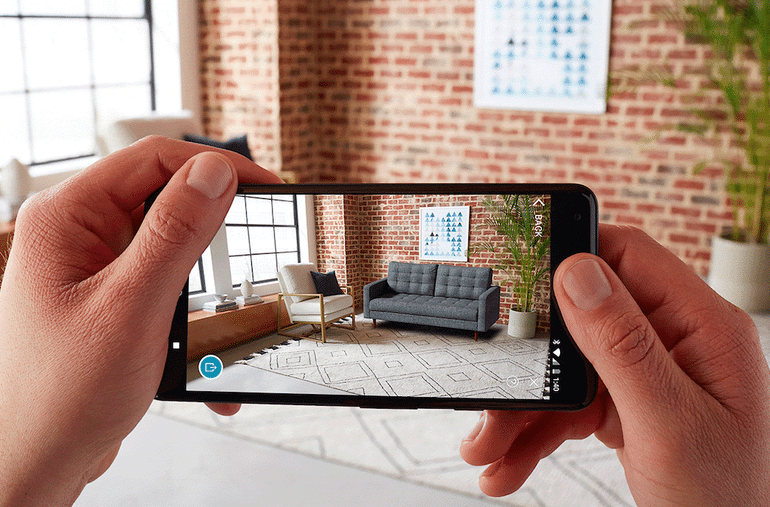 Emerging technologies often follow a common evolutionary path from novelty to utility. It’s all about fun & games before settling into lasting value in everyday mundane utilities. The web and mobile followed this progression… will AR do the same?
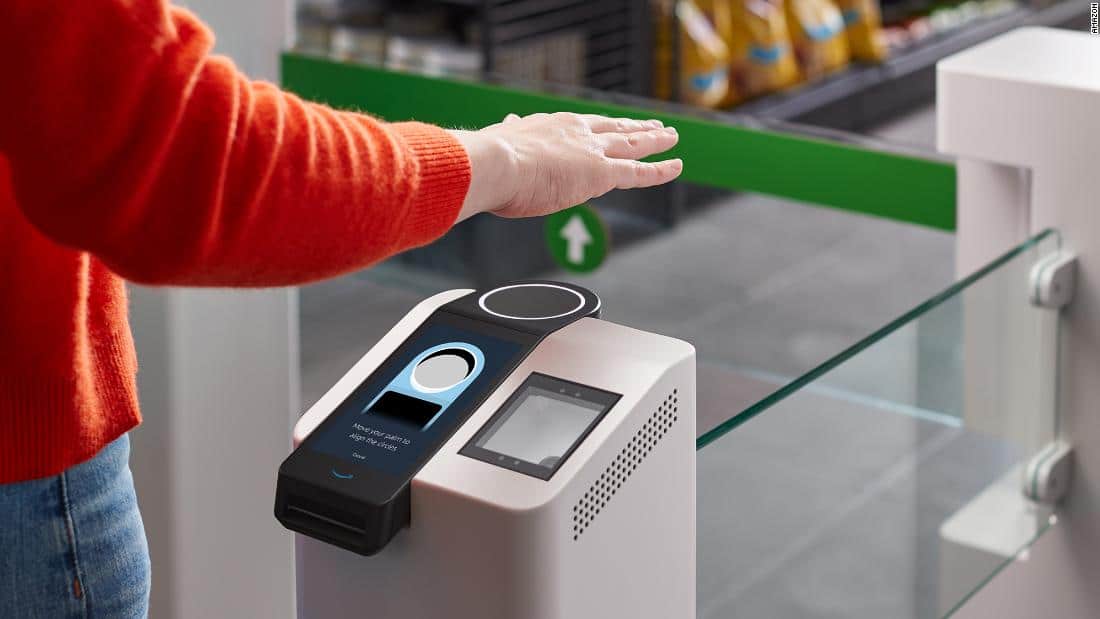 How will geospatial AR materialize? What are its active ingredients, including 5G and the AR cloud? This is the theme of our new series, Location Wars, where we’ll break down who’s doing what… continuing here with Amazon.
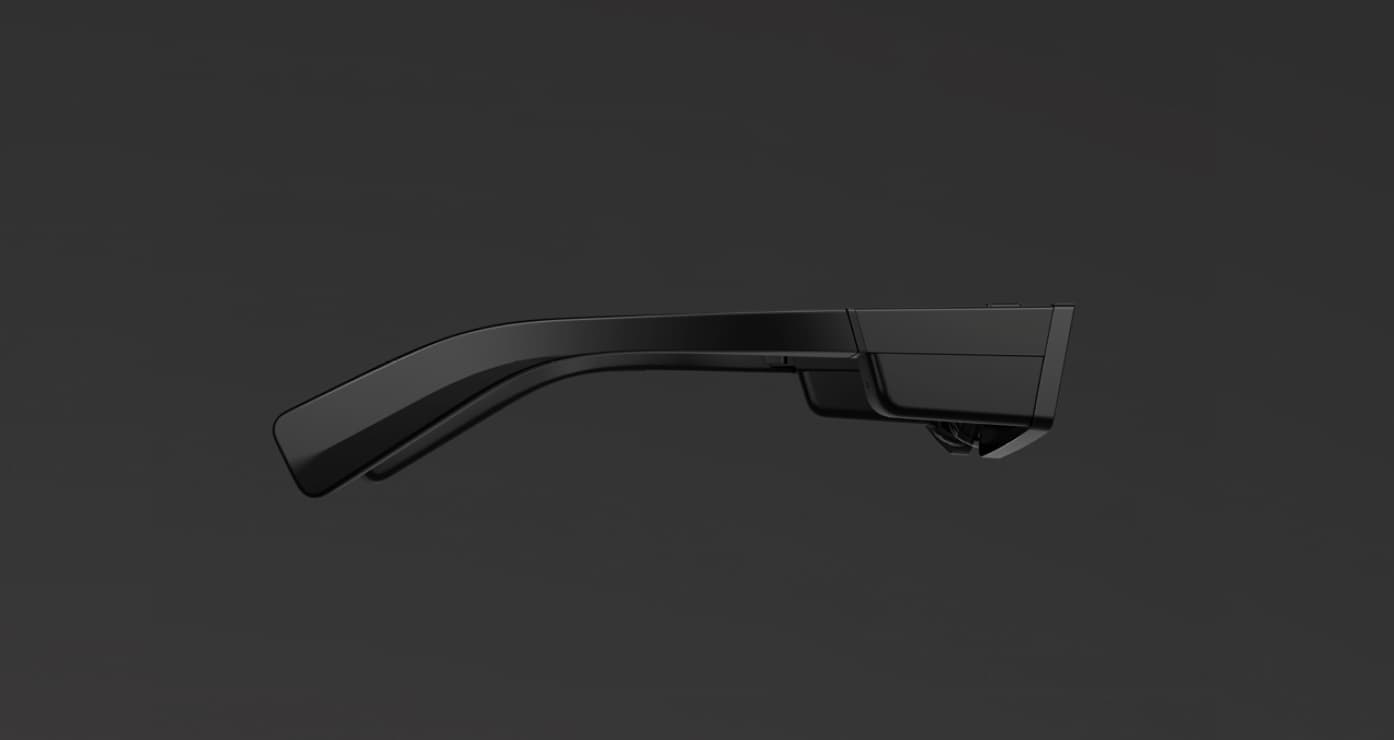 Snap today unveiled developer-facing AR glasses. As the next generation of its Spectacle camera glasses, the hardware features optical and display systems for the first time. That’s right, Spectacles are now true AR glasses.
 After covering Apple last week, what moves is Google making in wearables? So far, it has entered in several ways including its Pixel Buds. But what’s driving these investments and how does it trace back to Google’s AR master plan?
 Niantic’s Lightship is part rebrand of the Real World Platform and part functional transition to an SDK (or ARDK). As such, it will be made available to developers on a broader scale. Moreover, it seals Niantic’s longstanding fate as an AR platform.