Skip to content
☰
(⌐■_■)

spatialcomputing.info

                     __  _       __                                 __  _               _       ____    
   _________  ____ _/ /_(_)___ _/ /________  ____ ___  ____  __  __/ /_(_)___  ____ _  (_)___  / __/___ 
  / ___/ __ \/ __ `/ __/ / __ `/ / ___/ __ \/ __ `__ \/ __ \/ / / / __/ / __ \/ __ `/ / / __ \/ /_/ __ \
 (__  ) /_/ / /_/ / /_/ / /_/ / / /__/ /_/ / / / / / / /_/ / /_/ / /_/ / / / / /_/ / / / / / / __/ /_/ /
/____/ .___/\__,_/\__/_/\__,_/_/\___/\____/_/ /_/ /_/ .___/\__,_/\__/_/_/ /_/\__, (_)_/_/ /_/_/  \____/ 
    /_/                                            /_/                      /____/                      
 
“No pixel left behind”: The new era of high-fidelity graphics and visualization has begun
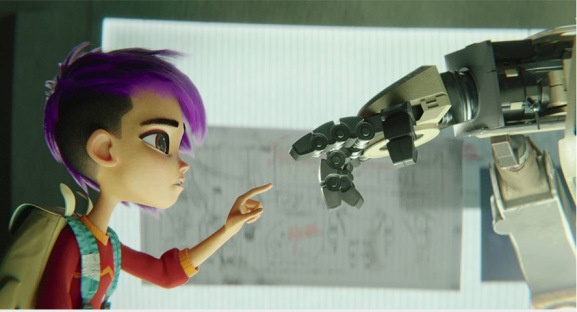
Image credit: Baozou in association with Tangent Studios. Media courtesy of NETFLIX Inc.
Advances in ray tracing, open programming and new platforms that combine processing units, interconnect, memory, and software are speeding production of high-fidelity graphics.Read More

Filed under: 3D graphics,AR/VR,Business,category-/Arts & Entertainment/Visual Art & Design,category-/Computers & Electronics/Software/Multimedia Software,computer animation,data visualization,Dev,exascale,Games,Intel,Intel oneAPI,Media,PC Gaming,ray tracing,rendering,visualization - @ 22. September 2020 13:01


Proudly powered by WordPress and RetroGeek-Theme